What Are the Latest EICR Inspection Changes Businesses Must Know?
Businesses across the UK are preparing for significant changes affecting Electrical Installation Condition Reports (EICRs). While the inspection process itself remains largely unchanged, new competency requirements introduced through the Electrotechnical Assessment Specification (EAS) will affect who can carry out EICRs and how businesses manage electrical compliance.
These updates place greater emphasis on qualifications, practical experience, supervision and ongoing professional development for electricians responsible for inspection and testing work.
For facilities managers, property managers and business owners, understanding these EICR inspection changes is essential to maintaining compliance, reducing risk and ensuring electrical safety across commercial properties.
What Are the Latest EICR Inspection Changes?
The most significant change is that electricians carrying out EICRs under recognised certification schemes will need to demonstrate higher levels of competency from 1 October 2026.
The updated EAS framework introduces clearer requirements relating to:
• Inspection and testing qualifications
• Practical inspection experience
• Continuing Professional Development (CPD)
• Supervision of trainees and apprentices
• Documentation and reporting standards
• Competency for certain low-carbon electrical technologies
These changes are designed to improve the consistency and quality of electrical inspections across the industry.
What Is an EICR and Why Is It Important?
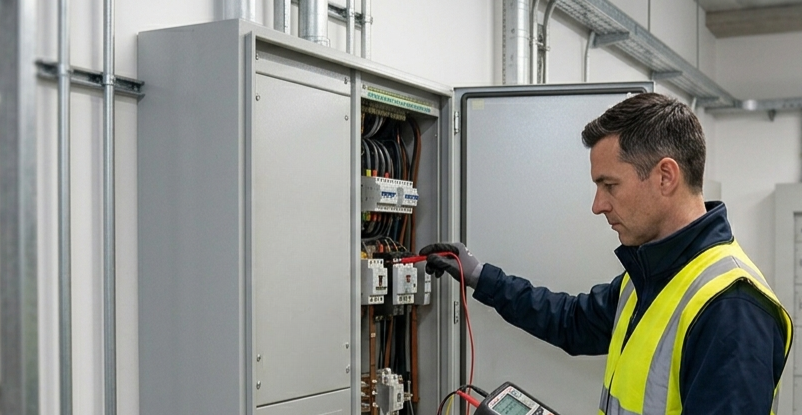
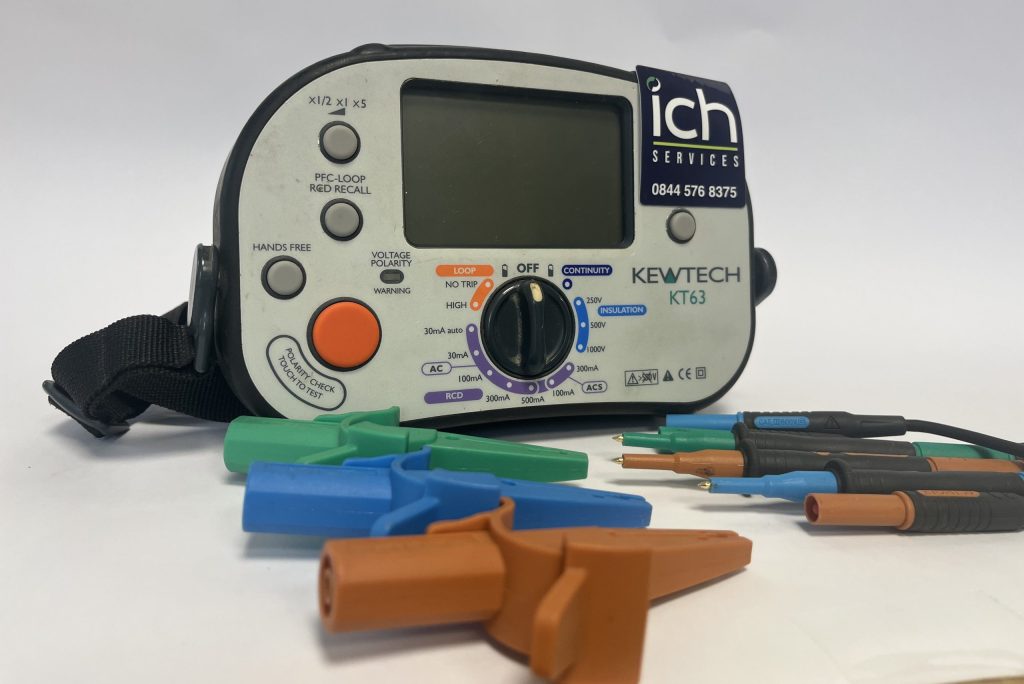
An Electrical Installation Condition Report (EICR) is a formal assessment of the condition of an electrical installation.
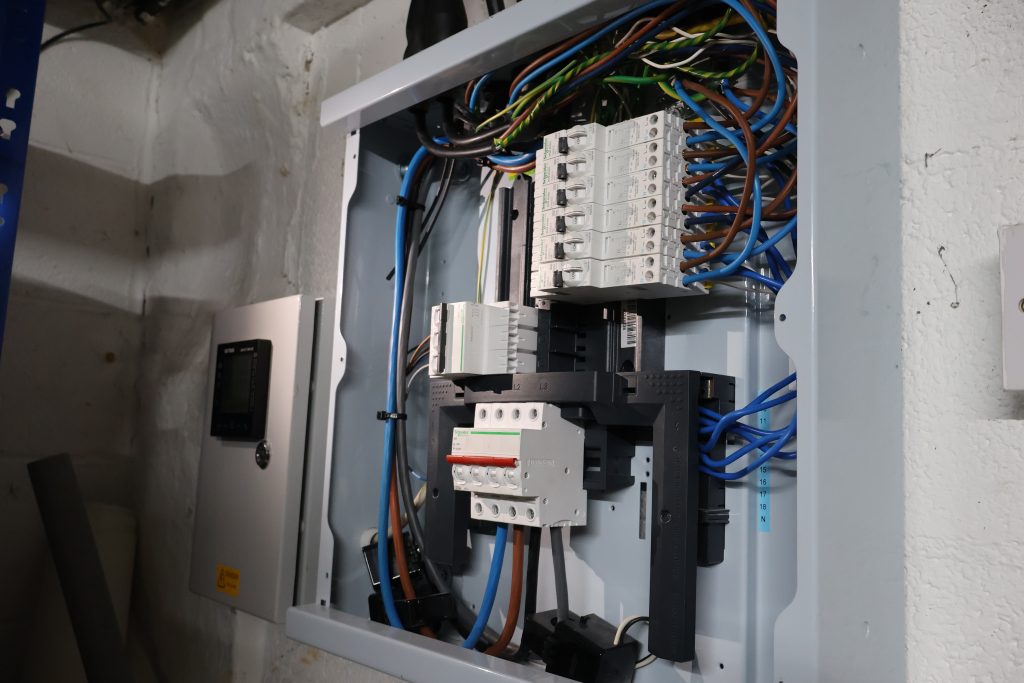
During an EICR, a competent electrician inspects and tests electrical systems including:
- Distribution boards
- Circuit protection devices
- Fixed wiring
- Earthing and bonding arrangements
- Electrical accessories and equipment
The purpose of the inspection is to identify defects, deterioration, damage, or non-compliance that could present a safety risk.
For businesses, EICRs help:
- Protect employees, visitors, and occupants
- Reduce the risk of electrical fires and shocks
- Identify issues before they become costly failures
- Support compliance with workplace safety obligations
- Demonstrate responsible building management
Why Do These EICR Inspection Changes Matter for Businesses?
Although the new requirements primarily affect electricians, they also create responsibilities for businesses that employ engineers or appoint contractors to carry out inspections. Facilities managers should understand that future compliance will depend not only on arranging inspections but also on ensuring that those inspections are completed by suitably competent individuals.Businesses that fail to verify competency could face:
- Inaccurate inspection reports
- Missed safety defects
- Increased compliance risks
- Difficulties during audits or certification reviews
- Potential operational disruption
What Has Changed Under the New EAS Requirements?
The updated EAS framework introduces new expectations for electricians carrying out periodic inspection and testing work. These changes come into effect from 1 October 2026 and are intended to strengthen competency across the electrical inspection sector.
|
Requirement |
Previous Position |
New Requirement |
|
Qualifications |
General electrical qualifications often accepted |
Recognised Level 3 Inspection and Testing qualification required |
|
Experience |
Varies between organisations |
Minimum two years of relevant inspection and testing experience |
|
Continuing Professional Development (CPD) |
Recommended |
Evidence of ongoing CPD expected |
|
Supervision |
Less formally defined |
Trainees and apprentices must work under appropriate supervision |
|
Reporting |
Existing EICR requirements |
Greater emphasis on accurate observations and recommendations |
What Qualifications Will Electricians Need?
Under the updated framework, electricians carrying out EICRs should generally be able to demonstrate:
- Appropriate core electrical qualifications
- A recognised Level 3 Inspection and Testing qualification
- Relevant practical inspection experience
- Ongoing professional development
Businesses should begin reviewing the competency of internal engineers and external contractors well before implementation dates.
New Competency Requirements for Low-Carbon Technologies
In addition to the new inspection and testing competency requirements, the updated EAS framework introduces dedicated competency requirements for several low-carbon technologies.
|
Low-Carbon Category |
Requirement |
|
Electric Vehicle Charging Equipment (EVCE) |
Level 3 qualified engineer required for installation and inspection |
|
Solar Photovoltaic (PV) Systems |
Level 3 qualified engineer required for connection and inspection |
|
Electrical Energy Storage Systems (EESS) |
Level 3 qualified engineer required for battery installations |
|
Micro Wind Turbines |
Level 3 qualified engineer required for installation and inspection |
How Can Businesses Prepare for the Changes?
1. Review Electrical Contractor Competency
Request evidence of:Inspection and testing qualifications
- Relevant experience
- Professional development records
- Previous commercial EICR projects
2. Assess Internal Engineering Teams
Where organisations employ their own electricians, competency reviews should identify any training or qualification gaps.
3. Support Continuing Professional Development
Encourage engineers to remain up to date with:
- BS 7671 updates
- Inspection and testing practices
- Low-carbon technologies
- Industry guidance and best practice
4. Review Contractor Approval Processes
Ensure contractor selection procedures include competency verification rather than relying solely on cost or availability.
5. Maintain Comprehensive Records
Keep records of:
- Qualifications
- Training certificates
- CPD activities
- EICR reports
- Competency assessments
These records can support audits, compliance reviews, and contractor management processes.
ICH Services Helps You Stay Ahead of EICR Inspection Changes.
Understanding the latest EICR inspection changes is essential for maintaining electrical safety, compliance and operational continuity. Whether you manage a single commercial property or a large portfolio, our experienced engineers can help you prepare for evolving competency requirements and electrical compliance obligations.



Comments are closed